

Dog Walking and Back Pain: How Lead Pulling Affects Your Spine
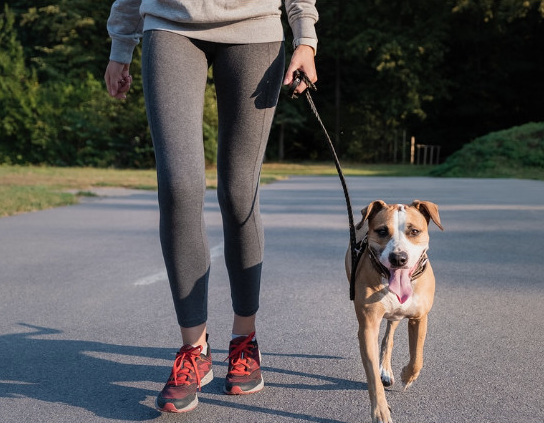
Dog walking is a daily routine for thousands of people across Cardiff, and for many, it’s one of the most enjoyable parts of the day. It offers fresh air, gentle exercise, and a welcome break from screens. But despite its benefits, dog walking is also a surprisingly common cause of lower back and hip pain. Many people never connect the two, assuming the discomfort comes from work, sitting, or general life stress. In reality, the physical demands of handling a dog can place unexpected strain on the spine especially when that dog pulls, stops suddenly, lunges, or changes direction without warning.
If you’re already dealing with ongoing stiffness or discomfort when walking your dog, you may find our Back Pain Treatment Guide helpful or simply get in touch to discuss your symptoms.
Most of the issues start with the unpredictable nature of dogs. Even well-trained dogs have moments where they get excited or distracted. A sudden pull on the lead transfers force straight through your arm, shoulder, and into your lower back. This doesn’t need to be a dramatic yank to cause problems. Small, consistent pulls repeated morning and evening can gradually irritate the lumbar joints or overstretch the muscles around the spine. Over time, this leads to stiffness, soreness when bending forward, or discomfort when getting out of bed the next morning.
According to canine behaviour research, even low-force, repetitive lead pulling can contribute to musculoskeletal strain in dog-owners. Another factor many people overlook is rotation. When a dog walks in front of you or drifts to one side, your upper body subtly twists with each step. You may not notice the movement, but your spine certainly does. That repetitive twist through the lower back can lead to tightness through the obliques, tension in the hips, and soreness on one side more than the other. People who walk larger, stronger dogs tend to feel this sooner, but even small dogs can create rotational stress if they consistently pull to one side.
If this sounds familiar and you feel pain more on one side of your back, you may benefit from a chiropractic assessment. A very common pattern seen in clinic is one-sided overuse. Most dog owners naturally hold the lead in the same hand every time they walk. Over days and weeks, the muscles on one side of your lower back and pelvis end up working harder to stabilise the body while the dog pulls. This imbalance can lead to stiffness around the sacroiliac joint, tightness through the glutes, or a persistent dull ache on just one side of the lower back. Patients often describe it as a dragging discomfort that flares during longer walks.
Fortunately, you can make dog walking much more comfortable with a few simple adjustments. One of the easiest is keeping your dog closer to your body. Allowing your dog to walk several feet ahead increases leverage on your spine, meaning even small pulls translate into larger forces. Shortening the lead slightly keeps your dog within your centre of gravity and makes the walk easier to control. It also reduces the impact of sudden changes in direction.
A well-fitted dog harness can also significantly reduce strain. Harnesses distribute pressure across the dog’s chest and shoulders rather than applying it to the neck, which creates smoother, more predictable movement. Many dog owners notice an immediate difference when switching from a collar to a harness.
Another useful habit is switching the hand you use to hold the lead. This may feel awkward at first, but alternating sides prevents the buildup of tension on one half of the body. Even switching every five minutes is enough to help your spine move more symmetrically. People with long-term back issues often notice improvement within a week or two simply by alternating hands.
Core strength also plays a huge role in preventing back pain during dog walks. A strong core stabilises the spine against sudden forces, improves posture, and helps absorb unexpected pulls. Exercises like side planks, bird-dogs, glute bridges, and dead bugs are especially helpful. If you’re unsure where to start, we’ve created a guide with simple exercises you can do at home.
Another important tip: avoid wrapping the lead around your wrist or forearm. While it might feel more secure, it restricts the natural movement of your arm and shoulders. Without that movement, the force transfers directly to your lower back. If you walk multiple dogs or a dog that pulls unpredictably, you may benefit from a hands-free lead or a split lead to distribute load more evenly.
Lead type matters too. Retractable leads create inconsistent tension that encourages dogs to pull harder, which increases strain on your back. A standard, fixed-length lead gives you better control and reduces sudden pressure on the spine. Combined with a harness, it offers the smoothest walking experience.
If you’ve already begun experiencing pain during or after your walks, don’t ignore it. Pain that persists for more than a week, keeps returning, or disrupts daily life is a sign something isn’t functioning correctly. In many cases, dog walking simply highlights an underlying imbalance or weakness — not the root cause. A chiropractic assessment can help identify whether the discomfort comes from muscle strain, joint irritation, posture issues, or uneven movement patterns.
Dog walking should be healthy and enjoyable, not painful. With the right handling techniques, equipment choices, and movement habits, most people can walk their dogs comfortably and reduce unnecessary stress on the spine. Small adjustments today can make a big difference in long-term comfort and mobility.
If back pain is affecting your walks, our Cardiff clinic can help identify the cause and create a personalised plan tailored to your lifestyle.
👉 Book an appointment today: Book Your Appointment Cardiff Chiropractor