

Desk Work Survival Guide: Microbreaks, Stretch Routines, and Posture Hacks That Actually Help
Modern desk work has become one of the most common contributors to back pain, neck stiffness, headaches, and poor posture. Whether you work in an office, from home, or a combination of both, long hours spent sitting can quietly place excessive strain on the spine and surrounding muscles. While many people are aware that sitting “isn’t great” for their health, few understand why it causes problems or how to counteract its effects effectively. Chiropractic care, combined with simple daily habits, offers practical solutions to help desk workers protect their spine and reduce discomfort.
One of the main issues with prolonged sitting is that it encourages poor posture. Slouching, craning the neck forward toward a screen, or rounding the shoulders places uneven pressure on the spinal joints and discs. Over time, this posture can lead to muscle imbalances, joint stiffness, and increased stress on the nervous system. Even individuals who consider themselves active outside of work can experience these problems if they remain seated for extended periods without movement throughout the day.
Microbreaks are one of the most effective yet overlooked strategies for reducing desk-related strain. A microbreak involves standing up, stretching, or moving for one to two minutes every 30 to 60 minutes. These short breaks help reset posture, improve circulation, and reduce muscle fatigue. From a chiropractic perspective, frequent movement helps prevent joints from becoming stiff and encourages healthy spinal motion, reducing the likelihood of chronic pain developing over time.
Incorporating simple stretch routines into the workday can significantly improve comfort and mobility. Gentle neck rotations, shoulder rolls, chest-opening stretches, and lower back movements help counteract the flexed positions commonly held at desks. These movements do not need to be intense or time-consuming to be effective. When performed regularly, they help maintain joint mobility, reduce muscle tension, and support better posture throughout the day.
Desk ergonomics also play a crucial role in spinal health. Poorly positioned monitors, chairs, and keyboards can force the body into unnatural positions that increase strain on the neck and lower back. Ideally, the screen should be at eye level, feet should rest flat on the floor, and the lower back should be supported. Chiropractors often help patients identify ergonomic adjustments that suit their individual body mechanics, making it easier to maintain healthier posture without constant effort.
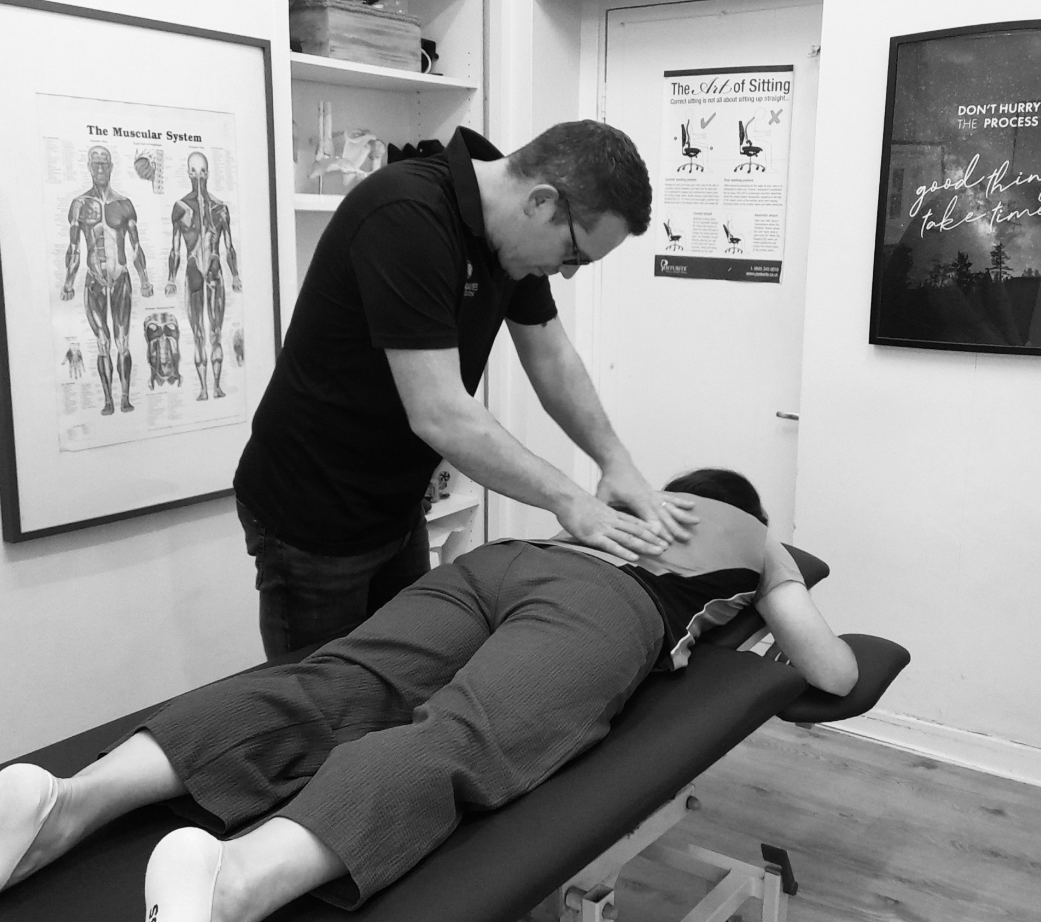
Chiropractic care complements these daily strategies by addressing the underlying spinal and joint restrictions caused by prolonged sitting. When joints become stiff or misaligned, muscles are forced to work harder to compensate, leading to fatigue and discomfort. Chiropractic adjustments help restore normal movement to the spine, reduce joint stress, and improve nervous system function. This allows the body to adapt better to prolonged desk work and recover more efficiently from daily strain.
Another common issue among desk workers is tension in the neck and shoulders caused by stress and prolonged screen use. Mental stress often leads to physical tension, particularly in the upper body. Chiropractic care can help relieve this tension by improving joint function and reducing nervous system overload. Many patients notice fewer headaches, improved neck mobility, and reduced shoulder tightness after incorporating chiropractic treatment into their routine.
Lifestyle habits outside of work hours are equally important. Staying physically active, maintaining hydration, and getting adequate sleep all contribute to spinal health. Chiropractors often encourage patients to balance sedentary work with regular exercise and mobility-focused activities such as walking, swimming, or yoga. These habits support the spine and help prevent desk-related discomfort from becoming a long-term issue.
The long-term benefits of addressing desk-related strain early are significant. Without intervention, poor posture and prolonged sitting can contribute to disc issues, chronic back pain, and reduced mobility later in life. By combining micro-breaks, stretching routines, ergonomic improvements, and chiropractic care, desk workers can significantly reduce their risk of developing persistent musculoskeletal problems.
In conclusion, surviving desk work does not require drastic changes or expensive equipment. Small, consistent habits such as regular movement, simple stretches, and proper workstation setup can make a noticeable difference. When combined with chiropractic care, these strategies support spinal alignment, improve mobility, and reduce daily discomfort. For anyone spending hours at a desk, taking a proactive approach to spinal health can lead to better comfort, productivity, and long-term wellbeing.