Many people consider seeing a chiropractor but are unsure exactly what chiropractic care involves or whether it is right for them. It is one of the most common questions we hear from new patients at The Cardiff Chiropractor. There are often misconceptions around chiropractic treatment, with some people believing it is only about “cracking backs” or suitable only for certain types of pain. In reality, chiropractic care is a regulated healthcare profession that focuses on diagnosing, treating, and preventing musculoskeletal conditions, particularly those affecting the spine, joints, and nervous system.
At The Cardiff Chiropractor, care is centred around understanding how your body moves and how spinal and joint function can influence pain, posture, mobility, and overall wellbeing. Rather than simply treating symptoms, chiropractic care aims to identify the underlying mechanical causes of discomfort and support your body’s ability to function as well as possible.
Your first visit begins with a thorough assessment. This includes taking a detailed medical history, discussing your current symptoms, previous injuries, work and lifestyle factors, and understanding how your condition is affecting your daily life. A physical examination is then carried out to assess posture, spinal movement, joint mobility, muscle function, and areas of tension. This careful approach allows treatment to be tailored specifically to you, rather than using a one-size-fits-all method.
One of the key roles of a chiropractor is to assess how well the spine and joints are moving. When joints become restricted or do not move as they should, they can place extra strain on surrounding muscles, ligaments, and nerves. Over time, this may contribute to pain, stiffness, headaches, reduced mobility, or recurring injuries. Identifying and addressing these movement restrictions is central to chiropractic care.
Chiropractic treatment often involves spinal or joint adjustments. These are precise, controlled movements designed to improve joint motion and reduce restriction. At The Cardiff Chiropractor, adjustments are always tailored to the individual, taking into account age, comfort level, medical history, and personal preference. Many people are surprised to find that chiropractic adjustments are gentle and comfortable rather than forceful.
In addition to adjustments, chiropractors also use joint mobilisation techniques. Mobilisation involves slower, controlled movements that gently encourage joints to move more freely. This approach is particularly suitable for patients who prefer a gentler style of treatment, those with stiffness related to age or inactivity, or individuals recovering from injury.
Soft tissue therapy is another important part of chiropractic care. When joints are not moving well or posture is poor, muscles often become tight, overworked, or painful. Soft tissue techniques help reduce muscle tension, improve circulation, and support healthier movement patterns. Addressing muscle health alongside joint function helps create longer-lasting results and reduces the likelihood of recurring discomfort.
While chiropractic care is commonly associated with back and neck pain, chiropractors treat a wide range of musculoskeletal conditions. At The Cardiff Chiropractor, patients commonly seek care for issues such as joint stiffness, shoulder pain, headaches, sports injuries, postural problems, and discomfort related to work or everyday activities. Many people also choose chiropractic care to improve movement, posture, and physical performance, even when pain is not the primary concern.
Education and prevention play a major role in chiropractic care. Understanding how daily habits affect the body is essential for long-term results. Chiropractors provide guidance on posture, ergonomics, movement habits, and exercises to help support recovery and reduce the risk of future problems. Small changes to how you sit, lift, work, or exercise can have a significant impact on spinal and joint health over time.
Exercise and movement advice are tailored to each individual. This may include stretches to improve flexibility, strengthening exercises to support posture, or practical advice on how to move more comfortably during daily activities. Rather than encouraging prolonged rest, chiropractic care supports appropriate movement to help the body recover and adapt.
Lifestyle factors such as stress, sleep, and activity levels are also considered. Stress can contribute to muscle tension and altered movement patterns, which may worsen pain or stiffness. By taking a holistic view of health, chiropractic care supports both physical comfort and overall wellbeing.
Chiropractic care in the UK is regulated by the General Chiropractic Council, ensuring chiropractors meet strict standards of education, training, and professional conduct. This provides reassurance that care is safe, evidence-based, and delivered by qualified professionals. You can find more information about professional regulation at gcc-uk.org.
Chiropractic care is suitable for a wide range of people, from office workers and active individuals to older adults and those recovering from injury. Treatment is always adapted to suit individual needs and comfort levels. Some people notice improvements quickly, while others benefit from a course of care aimed at restoring movement, improving posture, and preventing future issues.
For many patients in Cardiff, chiropractic care offers a practical, drug-free approach to managing musculoskeletal problems and supporting long-term spinal health. Whether you are dealing with pain, stiffness, or simply want to move better, chiropractic care focuses on helping you function at your best.
You can learn more about our approach and the services we offer by visiting the About Chiropractic Care page on The Cardiff Chiropractor website. If you are considering chiropractic care and would like to understand how it may help you, a consultation provides the opportunity to discuss your concerns, ask questions, and explore a personalised plan of care.
For many people in Cardiff, sitting has become an unavoidable part of daily life. Whether working in an office, studying, commuting, or relaxing at home, hours can pass with very little movement. While sitting may feel comfortable and harmless, prolonged sitting is one of the most common contributors to spinal problems, poor posture, and ongoing back and neck pain seen in chiropractic clinics.
The human spine is designed for movement. When we remain seated for long periods, especially in poor postures, the spine is placed under continuous stress. Sitting increases pressure on the spinal discs, particularly in the lower back, more than standing or walking. Over time, this compression can reduce the discs’ ability to absorb shock effectively, increasing the risk of stiffness, irritation, and pain.
Poor sitting posture compounds the problem. Slouching, leaning forward towards a screen, or sitting without proper lower back support alters the natural curves of the spine. This places uneven strain on joints, ligaments, and muscles, particularly in the neck, shoulders, and lower back. Many people begin to experience symptoms such as aching, stiffness, tension headaches, or reduced mobility without immediately linking these issues to their sitting habits.
Another key issue with prolonged sitting is reduced muscle activity. When seated for long periods, the muscles that support posture, including the core, gluteal muscles, and upper back muscles, become underused and gradually weaken. At the same time, other muscles such as the hip flexors and chest muscles can become tight and shortened. This imbalance pulls the body out of alignment and increases strain on the spine when standing or moving.
Lack of movement also affects circulation. Sitting for extended periods reduces blood flow to muscles and joints, limiting the delivery of oxygen and nutrients that help tissues stay healthy. Reduced circulation can contribute to muscle fatigue, stiffness, and slower recovery from strain. Over time, this can increase the likelihood of chronic discomfort and reduced spinal flexibility.
Chiropractors frequently see patients who are active in other areas of life but spend large portions of the day seated. Even regular exercise cannot always fully offset the effects of sitting for long periods if posture and movement habits are not addressed throughout the day. This is why many people experience back or neck pain despite being otherwise healthy and active.
Chiropractic care plays an important role in addressing the effects of prolonged sitting. By assessing spinal movement, posture, and joint function, a chiropractor can identify areas of restriction or imbalance caused by sustained sitting postures. Gentle chiropractic adjustments and mobilisation techniques help restore movement to stiff joints, reduce muscle tension, and improve spinal flexibility. Restoring normal movement allows the spine to distribute load more evenly and function more efficiently.
In addition to hands-on treatment, chiropractic care focuses on prevention and long-term spinal health. Advice on workstation ergonomics, posture awareness, and movement habits is often a key part of care. Small adjustments such as supporting the lower back, positioning screens at eye level, and ensuring feet are flat on the floor can significantly reduce spinal strain during sitting. Regular movement breaks, even just standing or stretching briefly every 30 to 60 minutes, help reduce joint stiffness and improve circulation.
Posture awareness is also essential. Many people are unaware of how often they lean forward, round their shoulders, or crane their neck towards screens. Over time, these habits contribute to what is often referred to as “tech neck” and postural strain. Chiropractic posture assessments can help identify these patterns and provide practical strategies to correct them. More information on improving posture can be found on our Posture Improvement Tips page.
It is important to recognise that sitting itself is not the enemy; it is prolonged, uninterrupted sitting combined with poor posture that causes the most harm. The goal is not to avoid sitting altogether, but to sit more consciously and move more frequently. Incorporating movement into the day, improving ergonomics, and addressing spinal restrictions early can help prevent minor discomfort from becoming long-term pain.
Trusted organisations such as the British Chiropractic Association highlight the importance of movement and good posture in protecting spinal health. Their guidance reinforces what chiropractors see daily in practice: the spine thrives on movement, balance, and good alignment.
For many people in Cardiff, addressing the effects of sitting early can make a significant difference to comfort, productivity, and quality of life. Chiropractic care offers a practical, drug-free approach to managing and preventing spinal problems linked to modern lifestyles. By restoring movement, supporting posture, and encouraging healthier habits, chiropractic care helps protect the spine against the demands of prolonged sitting and supports long-term spinal health.
As we age, maintaining mobility, independence, and physical comfort becomes increasingly important. The ability to move freely, stay active, and enjoy everyday activities plays a key role in overall wellbeing and quality of life. However, many older adults experience joint stiffness, back pain, reduced balance, or limited movement that can gradually interfere with daily tasks, confidence, and independence. These changes are common, but they do not have to be accepted as an inevitable part of getting older.
Chiropractic care, when combined with appropriate exercise, movement habits, and nutrition, can play a valuable role in supporting active, pain-free living well into later years. By focusing on spinal health, joint function, and nervous system support, chiropractic treatment can help older adults remain mobile, comfortable, and engaged in the activities that matter most to them.
As we get older, natural changes occur within the musculoskeletal system. Joints, muscles, and spinal structures experience gradual wear, reduced flexibility, and slower recovery. Common age-related issues include reduced joint mobility and stiffness, degenerative changes such as osteoarthritis, loss of muscle strength and flexibility, postural changes often linked to prolonged sitting or spinal curvature, balance problems, and ongoing back or neck pain. These changes can make everyday activities such as walking, climbing stairs, gardening, or standing up from a chair more challenging. When movement becomes uncomfortable, people often move less, which can lead to further stiffness, weakness, and a gradual loss of confidence. Over time, this reduction in activity can increase the risk of falls and impact long-term independence.
Maintaining good spinal and joint health is therefore essential for healthy ageing and continued mobility. Chiropractic care focuses on improving joint function, spinal movement, and nervous system health, helping the body move more efficiently and comfortably. For older adults, chiropractic treatment is always adapted to suit individual needs, comfort levels, and medical history. Care is gentle, precise, and tailored rather than forceful, with the aim of supporting safe and effective movement.
Many older adults seek chiropractic care to improve mobility and flexibility. As joints become stiffer with age, movement can feel restricted or uncomfortable. Gentle chiropractic adjustments and joint mobilisation techniques can help restore movement to areas that are not functioning as well as they should. Improved joint mobility often makes daily movements such as walking, bending, or reaching feel smoother and less effortful.
Another common reason older adults choose chiropractic care is pain relief without reliance on medication. Long-term use of pain medication is not always ideal due to potential side effects or interactions with other prescriptions. Chiropractic care offers a drug-free approach to managing back pain, neck pain, hip discomfort, and general joint stiffness by addressing the underlying mechanical causes rather than simply masking symptoms.
Posture and balance also tend to change with age. Reduced muscle strength, spinal stiffness, and habitual postures can place additional strain on joints and affect stability. Chiropractic care can help improve spinal alignment, posture, and body awareness, which may support better balance and help reduce the risk of falls. For many older adults, this added confidence in movement is just as important as pain relief.
Staying active is one of the most important factors in healthy ageing. Whether it involves walking, swimming, cycling, golf, or gentle exercise classes, regular movement helps maintain strength, mobility, and overall health. Chiropractic care supports an active lifestyle by keeping joints moving well and muscles functioning properly, allowing older adults to continue enjoying the activities they value. You can learn more about the services available for mature patients on our Older Adult Care page.
A common concern among older adults is whether chiropractic care is safe. When provided by a qualified and experienced chiropractor, care for older patients is gentle, appropriate, and carefully tailored. Your chiropractor will take time to review your medical history, assess posture and joint movement, and understand your personal goals before beginning treatment. Techniques are selected with consideration for factors such as bone density, joint health, and overall comfort, and many older adults find chiropractic care both reassuring and relaxing.
Chiropractic care works best as part of a broader, holistic approach to healthy ageing that includes regular movement and good nutrition. Staying active helps maintain flexibility, strength, and balance, while simple exercises focused on mobility and posture can support joint health and long-term independence. Nutritional support is equally important, with adequate hydration, calcium, vitamin D, protein, and anti-inflammatory foods all playing a role in maintaining strong bones, healthy joints, and muscle function. Organisations such as Age UK provide excellent guidance on healthy ageing, mobility, and wellbeing, and their resources can be explored at https://www.ageuk.org.uk.
Age should never be a barrier to living well. With the right support, many older adults find they can move more freely, reduce pain, and remain active and independent for longer. Maintaining spinal and joint health can make a significant difference to comfort, confidence, and overall quality of life. Chiropractic care offers a safe, gentle, and effective way to support mobility and wellbeing throughout later life. If you or a loved one are looking for ways to stay active and pain-free, chiropractic care may be a valuable part of a long-term health plan.
Pregnancy is an exciting time, but it also brings significant changes to the body. As your baby grows, your posture, centre of gravity, and hormone levels shift often leading to aches, pains, and stiffness. Many expectant mothers experience lower back pain, pelvic pain, or discomfort in the hips and spine, particularly as pregnancy progresses.
At The Cardiff Chiropractor, we regularly support pregnant women across Cardiff who are looking for gentle, safe, and drug-free ways to stay comfortable throughout pregnancy.
Below, we explain how pregnancy chiropractic care can help, which symptoms it may relieve, and how treatment is adapted to keep both mum and baby safe.
Common Pregnancy-Related Discomforts
As your body adapts to pregnancy, additional strain is placed on the spine, pelvis, and surrounding muscles. Common pregnancy-related issues we see at our Cardiff chiropractic clinic include:
Lower back pain caused by postural changes and increased spinal load
Pelvic and hip pain, including sacroiliac joint discomfort
Mid-back and neck pain, often linked to posture and muscle tension
Muscle tightness and stiffness due to altered movement patterns
Postural strain, particularly during the second and third trimesters
These symptoms are extremely common but they are not something you have to simply live with.
How Chiropractic Care Can Help During Pregnancy
Chiropractic care focuses on the musculoskeletal system, including the spine, pelvis, joints, and muscles. During pregnancy, the goal is to gently support your body as it changes—never to force movement or cause discomfort.
Pregnancy chiropractic care may help by:
Reducing lower back and pelvic pain
Improving spinal and pelvic mobility
Relieving muscle tension and joint stiffness
Supporting better posture and balance
Helping you stay active and comfortable throughout pregnancy
Many pregnant patients report improved movement, better sleep, and reduced day to day discomfort after chiropractic treatment.
Is Chiropractic Safe During Pregnancy?
Yes. Chiropractic care is considered safe during pregnancy when provided by a qualified chiropractor trained in prenatal care. At The Cardiff Chiropractor, all treatment is carefully adapted to your stage of pregnancy and individual needs.
Your care will always take into account:
Your trimester and physical changes
Your comfort level at every stage
Any existing medical conditions
Advice from your midwife or GP if required
Treatment is gentle, controlled, and always guided by clear communication.
Pregnancy-Safe Chiropractic Techniques
Chiropractic care during pregnancy looks different from standard treatment. Techniques are specifically adapted to ensure comfort and safety.
These may include:
Pregnancy-safe positioning Special cushions and adjustable tables allow you to lie comfortably without pressure on your bump.
Gentle spinal and pelvic adjustments Low-force techniques are used to improve joint movement without sudden or forceful motions.
Soft tissue therapy Gentle work on muscles around the lower back, hips, and pelvis to ease tension and tightness.
Pelvic balance techniques Designed to reduce strain on the pelvis and support symmetrical movement.
Exercise and posture advice Simple, pregnancy-safe exercises and daily posture tips to support your body between visits.
Every treatment plan is personalised and adjusted as your pregnancy progresses.
When Should You See a Chiropractor During Pregnancy?
You don’t need to wait until pain becomes severe. Many women seek pregnancy chiropractic care in Cardiff:
When lower back or pelvic pain first appears
If discomfort is affecting sleep or daily activities
As a preventative approach to support posture and movement
During later stages of pregnancy when physical strain increases
Some women also choose regular chiropractic care throughout pregnancy to help maintain comfort and mobility.
A Gentle, Drug-Free Approach to Pregnancy Pain
One of the key benefits of chiropractic care during pregnancy is that it offers a natural, drug-free approach to managing discomfort. This is particularly important for expectant mothers who want to minimise medication use.
By improving joint function, reducing muscle tension, and supporting posture, chiropractic care works with your body rather than masking symptoms.
Pregnancy Chiropractic Care in Cardiff
Pregnancy places unique demands on your body, and discomfort does not have to be accepted as “just part of it.” Chiropractic care can be a gentle and effective way to manage back pain, pelvic discomfort, and postural strain helping you enjoy your pregnancy more comfortably.
If you’re pregnant and looking for safe chiropractic care in Cardiff, we’re here to help.
👉 Book an appointment with The Cardiff Chiropractor today to find out how pregnancy-safe chiropractic care can support you through every stage of pregnancy.
Back pain is one of the most common reasons people seek healthcare support, and it can have a significant effect on everyday life. For many individuals, back pain begins gradually, while others experience sudden, sharp discomfort after lifting, bending, or twisting. Regardless of how it starts, back pain can make even simple tasks such as standing up, walking, or sleeping more challenging. At its core, back pain often signals an imbalance, irritation, or restriction within the spine or surrounding soft tissues. When left untreated, the pain can become chronic, affecting posture, mobility, and overall wellbeing. This is why understanding the underlying cause and finding the right type of care is essential. Chiropractic care provides a natural, drug-free way to ease pain, restore movement, and support long-term spinal health.
What Causes Back Pain?
Back pain can result from a wide range of issues, and many people don’t realise how much daily habits contribute to their discomfort. Poor posture, for example, is one of the biggest contributors to spinal strain, especially for individuals who spend long hours seated at a computer or using mobile devices. Over time, slouching or leaning forward can put continuous pressure on the lower back and weaken the core muscles that support the spine. Muscle strain is another extremely common cause, often resulting from improper lifting techniques, sudden movements, or repetitive tasks that overwork the back muscles. In addition, spinal discs can become irritated or compressed, leading to conditions like bulging or herniated discs that may cause sharp pain or sciatica. A sedentary lifestyle also plays a significant role, as reduced movement allows the spine to become stiff and less flexible. Stress, too, can cause muscles in the neck and back to tighten, increasing tension throughout the spine.
Recognising Back Pain Symptoms
Back pain presents differently in each person, which is why it’s important not to ignore early warning signs. Many people experience a dull ache across the lower back after sitting for long periods, while others feel sharp, stabbing pain when bending or twisting. Some notice stiffness upon waking up, which gradually improves as the day progresses, whereas others may find their pain worsens with movement. Back pain can even extend beyond the spine, radiating into the hips, buttocks, or legs, particularly in cases involving the sciatic nerve. These discomforts often come with reduced flexibility, muscle tightness, or a noticeable decrease in overall mobility. When back pain begins to interfere with daily activities, disrupt sleep, or persist longer than a few days, seeking a professional assessment becomes essential to prevent long-term issues.
How Chiropractic Care Helps Relieve Back Pain
Chiropractic care focuses on restoring correct spinal alignment and improving the way the nervous system functions. When the spine is misaligned, it can irritate nerves, restrict movement, and place excessive strain on surrounding muscles. Chiropractors use precise, gentle adjustments to correct these misalignments, reduce inflammation, and restore natural movement to the spine. This hands-on approach not only relieves pain but also enhances mobility, allowing the body to heal more effectively. Chiropractic care is known for being safe and natural, making it a suitable solution for individuals who wish to avoid pain medication or invasive treatments. Treatments may include spinal adjustments, soft tissue therapy, stretching techniques, rehabilitation exercises, and personalised posture coaching. These methods work together to reduce pressure on the spine, promote healing, and strengthen the supporting muscles, helping prevent the return of pain.
When to See a Chiropractor for Back Pain
Many people delay treatment, hoping their back pain will improve on its own, but early care can prevent minor issues from becoming chronic conditions. You should consider seeing a chiropractor if you experience recurring back pain, stiffness that makes it difficult to move, or pain that spreads into the hips or legs. Pain that affects your ability to bend, lift, or turn is also a sign that your spine may need professional attention. If your pain follows a fall, injury, or sudden movement, an assessment is especially important to ensure there is no underlying structural issue. Additionally, if your back pain disrupts your sleep, daily activities, or ability to work comfortably, chiropractic care can help restore comfort and function. Seeking care early allows for faster recovery and reduces the likelihood of long-term damage.
Simple Ways to Prevent Back Pain at Home
Preventing back pain begins with consistent, healthy habits that support your spine. Good posture is one of the most effective ways to protect your back throughout the day, whether you’re sitting, standing, or moving. Taking regular breaks from long periods of sitting helps keep your muscles active and reduces stiffness in the spine. Strengthening your core muscles is also important, as these muscles provide essential support for the lower back and help maintain proper alignment. Staying active with low-impact exercises such as walking, swimming, or yoga can keep the spine flexible and strong. When lifting heavy items, always bend your knees and use the strength of your legs rather than your back. Finally, sleeping with the right mattress and pillow can make a significant difference, ensuring your spine stays aligned throughout the night.
Ready to Experience Relief?
You don’t have to let back pain control your life. Chiropractic care offers natural, long-lasting relief by focusing on the root cause rather than just the symptoms. If you’re ready to move more freely, reduce pain, and regain confidence in your body, our team at The Cardiff Chiropractor is here to help you every step of the way. With personalised treatment plans, expert guidance, and a compassionate approach, we aim to restore your health and support your long-term wellbeing. Take the first step toward a healthier, pain-free life today.
A Cardiff patient suffering from chronic lower back pain provides a clear example of chiropractic care’s effectiveness. After years of struggling with daily discomfort that limited work and leisure activities, they sought treatment at The Cardiff Chiropractor. Andy Davies conducted a full spinal assessment, identifying misalignments, muscle imbalances, and postural issues contributing to their pain. Through a combination of gentle spinal adjustments, soft tissue therapy, and posture coaching, the patient experienced significant improvement. Within weeks, pain levels decreased, mobility increased, and they were able to return to normal activities without relying on medication. This demonstrates how chiropractic care addresses the root causes of chronic pain rather than merely masking symptoms. Chiropractic care also helps prevent the progression of chronic pain conditions. By maintaining proper spinal alignment, optimising joint function, and supporting muscular balance, patients can avoid the secondary issues that often accompany chronic discomfort. Regular check-ups allow for early detection of minor problems before they develop into severe or debilitating conditions. This proactive approach is particularly beneficial for individuals in Cardiff who perform repetitive tasks, spend long hours sitting, or engage in physically demanding work.
Another key advantage of chiropractic care for chronic pain is its drug-free approach. Many patients rely on painkillers for temporary relief, which can have side effects and fail to address the underlying problem. Chiropractic care treats the structural and neurological causes of pain, offering long-term benefits without the need for medication. Patients often report reduced reliance on painkillers, improved energy levels, and enhanced overall wellbeing after incorporating chiropractic treatment into their care plan.
Nutrition and lifestyle habits also support chronic pain management. Anti-inflammatory foods, adequate hydration, and regular low-impact exercise all contribute to spinal health and recovery. When combined with chiropractic care, these lifestyle factors accelerate healing, reduce inflammation, and improve function. Andy Davies works with patients to integrate these habits into their daily routine, creating a comprehensive strategy for long-term pain relief and spinal wellness.
In addition to back pain, chiropractic care can help manage chronic neck pain, shoulder tension, hip discomfort, and other musculoskeletal conditions. By addressing the entire musculoskeletal system, chiropractors ensure that the body functions optimally and that stress on the spine is minimised. Patients who maintain regular chiropractic care often experience enhanced posture, improved flexibility, and a greater ability to engage in work, hobbies, and physical activity without pain. For those living with chronic pain in Cardiff, it’s essential to understand that relief is possible. Chiropractic care provides a holistic, effective approach that targets the source of discomfort while supporting the body’s natural healing processes. Whether your pain has persisted for months or years, early intervention and consistent care can significantly improve your quality of life, restore mobility, and reduce the frequency of flare-ups.
Take Action: Manage Chronic Pain Effectively Don’t let chronic pain control your life. At The Cardiff Chiropractor, Andy Davies provides personalised chiropractic care designed to relieve long-term discomfort, restore mobility, and support overall wellbeing. With a combination of spinal adjustments, soft tissue therapy, lifestyle advice, and posture coaching, patients in Cardiff can achieve lasting pain relief without relying on medication. Book your consultation today at thecardiffchiropractor.com and take the first step toward a pain-free, more active, and healthier life.
Dog walking is a daily routine for thousands of people across Cardiff, and for many, it’s one of the most enjoyable parts of the day. It offers fresh air, gentle exercise, and a welcome break from screens. But despite its benefits, dog walking is also a surprisingly common cause of lower back and hip pain. Many people never connect the two, assuming the discomfort comes from work, sitting, or general life stress. In reality, the physical demands of handling a dog can place unexpected strain on the spine especially when that dog pulls, stops suddenly, lunges, or changes direction without warning.
If you’re already dealing with ongoing stiffness or discomfort when walking your dog, you may find our Back Pain Treatment Guide helpful or simply get in touch to discuss your symptoms.
Most of the issues start with the unpredictable nature of dogs. Even well-trained dogs have moments where they get excited or distracted. A sudden pull on the lead transfers force straight through your arm, shoulder, and into your lower back. This doesn’t need to be a dramatic yank to cause problems. Small, consistent pulls repeated morning and evening can gradually irritate the lumbar joints or overstretch the muscles around the spine. Over time, this leads to stiffness, soreness when bending forward, or discomfort when getting out of bed the next morning.
According to canine behaviour research, even low-force, repetitive lead pulling can contribute to musculoskeletal strain in dog-owners. Another factor many people overlook is rotation. When a dog walks in front of you or drifts to one side, your upper body subtly twists with each step. You may not notice the movement, but your spine certainly does. That repetitive twist through the lower back can lead to tightness through the obliques, tension in the hips, and soreness on one side more than the other. People who walk larger, stronger dogs tend to feel this sooner, but even small dogs can create rotational stress if they consistently pull to one side.
If this sounds familiar and you feel pain more on one side of your back, you may benefit from a chiropractic assessment. A very common pattern seen in clinic is one-sided overuse. Most dog owners naturally hold the lead in the same hand every time they walk. Over days and weeks, the muscles on one side of your lower back and pelvis end up working harder to stabilise the body while the dog pulls. This imbalance can lead to stiffness around the sacroiliac joint, tightness through the glutes, or a persistent dull ache on just one side of the lower back. Patients often describe it as a dragging discomfort that flares during longer walks.
Fortunately, you can make dog walking much more comfortable with a few simple adjustments. One of the easiest is keeping your dog closer to your body. Allowing your dog to walk several feet ahead increases leverage on your spine, meaning even small pulls translate into larger forces. Shortening the lead slightly keeps your dog within your centre of gravity and makes the walk easier to control. It also reduces the impact of sudden changes in direction.
A well-fitted dog harness can also significantly reduce strain. Harnesses distribute pressure across the dog’s chest and shoulders rather than applying it to the neck, which creates smoother, more predictable movement. Many dog owners notice an immediate difference when switching from a collar to a harness.
Another useful habit is switching the hand you use to hold the lead. This may feel awkward at first, but alternating sides prevents the buildup of tension on one half of the body. Even switching every five minutes is enough to help your spine move more symmetrically. People with long-term back issues often notice improvement within a week or two simply by alternating hands.
Core strength also plays a huge role in preventing back pain during dog walks. A strong core stabilises the spine against sudden forces, improves posture, and helps absorb unexpected pulls. Exercises like side planks, bird-dogs, glute bridges, and dead bugs are especially helpful. If you’re unsure where to start, we’ve created a guide with simple exercises you can do at home.
Another important tip: avoid wrapping the lead around your wrist or forearm. While it might feel more secure, it restricts the natural movement of your arm and shoulders. Without that movement, the force transfers directly to your lower back. If you walk multiple dogs or a dog that pulls unpredictably, you may benefit from a hands-free lead or a split lead to distribute load more evenly.
Lead type matters too. Retractable leads create inconsistent tension that encourages dogs to pull harder, which increases strain on your back. A standard, fixed-length lead gives you better control and reduces sudden pressure on the spine. Combined with a harness, it offers the smoothest walking experience.
If you’ve already begun experiencing pain during or after your walks, don’t ignore it. Pain that persists for more than a week, keeps returning, or disrupts daily life is a sign something isn’t functioning correctly. In many cases, dog walking simply highlights an underlying imbalance or weakness — not the root cause. A chiropractic assessment can help identify whether the discomfort comes from muscle strain, joint irritation, posture issues, or uneven movement patterns.
Dog walking should be healthy and enjoyable, not painful. With the right handling techniques, equipment choices, and movement habits, most people can walk their dogs comfortably and reduce unnecessary stress on the spine. Small adjustments today can make a big difference in long-term comfort and mobility.
If back pain is affecting your walks, our Cardiff clinic can help identify the cause and create a personalised plan tailored to your lifestyle. 👉 Book an appointment today:Book Your AppointmentCardiff Chiropractor
Sleep is one of the most important factors for health and recovery, yet millions of people in Cardiff and across the UK wake up each morning feeling stiff, sore, or unrested. Morning stiffness is more than just an inconvenience it can be a sign that your spine, joints, or muscles are not functioning as they should. At The Cardiff Chiropractor, Andy Davies helps patients identify and correct the underlying causes of poor sleep and morning stiffness using gentle, effective chiropractic care in Cardiff. By improving spinal alignment and posture, chiropractic adjustments can promote better sleep quality, reduce muscular tension, and ensure you wake up feeling refreshed and mobile.
Morning stiffness often occurs because of reduced movement during sleep. When the body remains in one position for several hours, circulation decreases, muscles tighten, and joints can become less lubricated. For those with existing spinal misalignments, muscle imbalances, or postural issues, these effects are even more pronounced. As a result, you may wake up with neck stiffness, lower back pain, or aching joints. Over time, poor sleep posture and an unsupportive mattress can compound these issues, leading to chronic discomfort and restless nights.
One of the most common reasons for morning stiffness is spinal misalignment. When the vertebrae are not properly aligned, pressure can build up on surrounding nerves and soft tissues. This can cause inflammation, tension, and disrupted nerve communication between the brain and body. During the night, these misalignments restrict normal movement and prevent muscles from relaxing fully. Chiropractic adjustments restore natural spinal alignment, relieve nerve irritation, and allow the body to rest and recover as it should. Patients who receive regular chiropractic care often report sleeping more deeply and waking up with less pain and stiffness.
Your sleeping position also has a major impact on spinal health. Many people sleep curled up tightly or flat on their stomachs, positions that twist or compress the spine. The best positions for spinal alignment are on your back or side, with proper pillow support. When lying on your back, a small pillow under the knees helps maintain the natural curve of the lower spine. Side sleepers should use a pillow between the knees to keep the hips and spine level. Avoid overly thick or multiple pillows under the head, as these can push the neck into an unnatural angle, leading to tension and morning headaches. The mattress and pillow you use can make or break your sleep quality. A mattress that is too soft may cause your spine to sag, while one that is too firm can prevent natural contouring, both of which lead to stiffness. Ideally, you should choose a medium-firm mattress that supports your body’s natural curves while keeping your spine neutral. Memory foam or hybrid mattresses often work well for this balance. Similarly, a supportive pillow that keeps your neck aligned with your spine neither tilted upward nor downward is key for reducing neck pain and improving overall comfort.
At The Cardiff Chiropractor, Andy Davies often sees patients whose morning stiffness is linked to poor posture during the day. Slouching at a desk, leaning forward at a computer, or spending hours on mobile devices can all cause muscle imbalances and tension that carry over into sleep. By addressing these postural issues through chiropractic adjustments and corrective exercises, patients can experience significant improvement in sleep quality and reduced morning discomfort. Good posture during the day supports better spinal alignment at night.
Stress is another factor that can interfere with sleep and contribute to stiffness. When the body is under stress, muscles remain in a semi-contracted state, especially in the neck, shoulders, and lower back. This tension limits relaxation during sleep and can cause you to wake up feeling tight or sore. Chiropractic care helps reduce this stress response by promoting better nervous system balance.
Adjustments improve communication between the brain and body, supporting relaxation and recovery. Many patients report sleeping more soundly and feeling calmer after chiropractic sessions. Poor circulation can also play a role in waking stiffness. When spinal joints are restricted, blood flow to muscles and tissues may be compromised. Chiropractic adjustments restore movement to these joints, improving circulation and nutrient delivery. Combined with gentle stretching or soft tissue therapy, this helps reduce inflammation and promote healing. Enhanced circulation supports overnight recovery, allowing muscles and joints to repair more effectively so you wake up feeling looser and more energised. For those struggling with persistent morning stiffness or restless sleep, chiropractic care offers a natural, drug-free solution. Unlike painkillers or sleep medications, which only mask symptoms temporarily, chiropractic addresses the underlying structural and neurological imbalances that cause discomfort. Regular adjustments not only improve spinal alignment but also optimise nervous system function, helping your body enter a deeper, more restorative state of rest. Over time, patients notice better flexibility, improved mood, and higher daytime energy levels.
A Cardiff patient recently came to The Cardiff Chiropractor complaining of chronic morning stiffness that had persisted for months. Despite trying new pillows, stretches, and even physiotherapy, the problem continued. Andy Davies conducted a full spinal assessment and discovered several areas of restriction in the upper back and neck, along with postural imbalances from prolonged desk work. After a few sessions of targeted chiropractic adjustments combined with posture coaching and lifestyle advice, the patient began waking up pain-free for the first time in years. They also noticed improved sleep quality and daytime concentration.
To support spinal health between chiropractic visits, patients are encouraged to incorporate gentle stretching and movement into their daily routine. Simple activities such as yoga, walking, or foam rolling can help maintain flexibility and reduce tension. Avoid staying in one position for too long, whether sitting, standing, or lying down. Gentle morning stretches such as cat-cow movements, side bends, and shoulder rolls are excellent for waking up the spine and easing into the day. These small habits, combined with regular chiropractic care, can make a dramatic difference in how you feel each morning. If you experience frequent morning stiffness, don’t ignore it or assume it’s just a part of ageing. It may be your body’s way of signalling that your spine or joints need attention. Chiropractic care provides an effective, holistic approach to correcting the root cause and preventing future problems. Andy Davies takes the time to understand each patient’s lifestyle, posture, and sleep patterns, creating a personalised care plan that supports both spinal and overall wellbeing.
Take Action: Wake Up Feeling Your Best You don’t have to live with morning stiffness or restless nights. Chiropractic care can help you sleep better, move easier, and start each day with more comfort and energy. At The Cardiff Chiropractor, Andy Davies provides expert chiropractic treatment for neck pain, back pain, posture issues, and sleep-related stiffness. Book your consultation today at thecardiffchiropractor.com and discover how gentle, effective chiropractic care can help you wake up refreshed, pain-free, and ready to take on the day.
In today’s modern workplace, many Cardiff residents spend hours sitting at desks, often in poorly set-up workstations. Prolonged sitting, combined with bad posture, can lead to back pain, neck stiffness, headaches, and even long-term spinal issues. At The Cardiff Chiropractor, Andy Davies frequently treats office workers whose discomfort could have been prevented with simple ergonomic adjustments and posture awareness. Understanding how to set up your desk and maintain proper posture is essential for preventing musculoskeletal problems and protecting your spinal health.
Poor posture at work is one of the leading causes of back and neck pain in Cardiff. Slouching, leaning forward toward the computer screen, or hunching the shoulders places uneven pressure on the spine. Over time, this can strain muscles, ligaments, and joints, leading to stiffness and chronic pain. Sitting in the same position for extended periods reduces blood flow to the muscles, causing fatigue and tension that further exacerbate discomfort. Regular breaks, combined with proper workstation setup, are critical to maintaining spinal health.
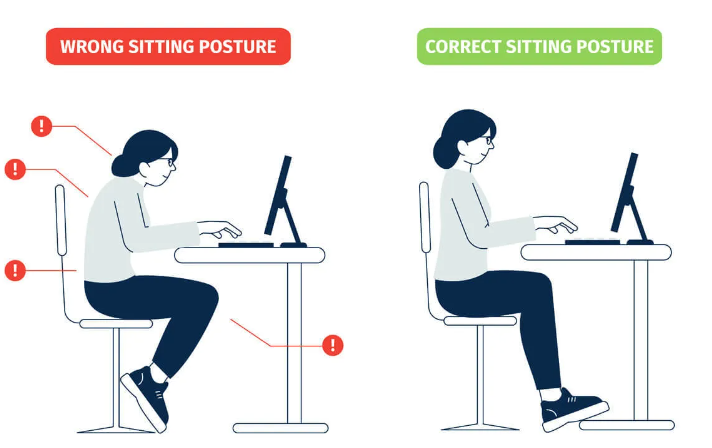
Desk ergonomics play a vital role in preventing workplace-related back pain. The position of your chair, desk, and computer monitor should allow your spine to remain in a neutral, aligned position. Your chair should support the natural curve of your lower back, with feet flat on the floor or on a footrest. The top of your computer screen should be at eye level, and your keyboard and mouse should be positioned to keep elbows at a 90-degree angle. Proper ergonomic alignment reduces strain on the spine and encourages better posture throughout the workday.
Sitting posture is equally important. Avoid crossing your legs or leaning to one side, as this can cause imbalances in the hips and lower back. Keep shoulders relaxed and avoid shrugging, with the head aligned over the shoulders rather than jutting forward. Many Cardiff patients find that small posture adjustments make a significant difference in reducing pain, especially when combined with regular chiropractic care to address existing spinal misalignments.
Movement is essential even with an ergonomic setup. Sitting for long periods, regardless of posture, can still lead to stiffness and discomfort. Incorporating short breaks to stand, stretch, or walk every 30 to 60 minutes helps maintain circulation, reduces muscle tension, and keeps the spine flexible. Simple stretches targeting the neck, shoulders, and lower back can alleviate tension and prevent pain from becoming chronic. At The Cardiff Chiropractor, Andy Davies teaches office workers practical exercises to maintain spinal mobility throughout the day.
Monitor and device placement is another crucial aspect of desk ergonomics. Working with screens that are too low, too high, or too far away can cause forward head posture, often referred to as “tech neck.” This position places extra stress on cervical vertebrae, leading to neck pain, headaches, and upper back tension. Adjusting the screen height so the top is at eye level and maintaining a proper distance from the eyes reduces strain and encourages a neutral spinal position.
Keyboard and mouse use also affects spinal health. Poorly positioned devices force the shoulders, arms, and wrists into awkward positions, which can lead to tension in the upper back and neck. Keeping your keyboard and mouse close, with wrists straight and elbows at a comfortable angle, minimizes strain. An ergonomic keyboard, mouse, or wrist support can further reduce tension and improve comfort during long hours at a desk.
Even with perfect ergonomics, chronic pain may still occur if underlying spinal misalignments or muscular imbalances are present. Chiropractic care addresses these issues by realigning the spine, releasing tight muscles, and restoring proper joint function. Patients at The Cardiff Chiropractor often report immediate relief after adjustments and improved posture awareness, which complements ergonomic improvements at work. Regular chiropractic care not only alleviates pain but also prevents minor issues from developing into chronic conditions.
Lifestyle factors outside of work also contribute to spinal health. Regular exercise, core strengthening, and stretching improve muscular support for the spine, reducing the risk of pain from prolonged sitting. Hydration and proper nutrition support muscle recovery and overall joint health. Combining these lifestyle strategies with ergonomic practices and chiropractic care provides a comprehensive approach to preventing workplace-related back and neck pain.
A Cardiff office worker recently visited The Cardiff Chiropractor complaining of persistent lower back pain and neck stiffness due to long hours at a poorly set-up desk. After a full assessment, Andy Davies provided spinal adjustments, posture coaching, and tailored ergonomic advice. Within weeks, the patient experienced significantly reduced pain, improved flexibility, and learned exercises to maintain spinal health at work. This demonstrates the powerful combination of chiropractic care and proper desk ergonomics in preventing and resolving back issues.
Preventing back and neck pain at work requires awareness, consistency, and proactive action. Ergonomic adjustments, posture correction, and regular movement can dramatically reduce the risk of musculoskeletal problems. Chiropractic care complements these strategies by addressing existing spinal restrictions, improving mobility, and supporting long-term spinal function. Patients who combine all three approaches experience better comfort, reduced pain, and enhanced productivity.
Take Action: Protect Your Spine at Work If you’re experiencing back pain, neck stiffness, or fatigue from long hours at your desk, don’t wait for the problem to worsen. At The Cardiff Chiropractor, Andy Davies provides expert chiropractic care, posture assessments, and ergonomic guidance to help Cardiff office workers reduce pain and maintain spinal health. Book your consultation today at thecardiffchiropractor.com and take the first step toward a more comfortable, productive, and pain-free workday.
Whether you’re a weekend runner, a footballer, or a regular gym-goer, injuries are an unfortunate part of sports and physical activity. Many athletes in Cardiff underestimate how spinal alignment, joint function, and muscular balance affect performance and recovery. At The Cardiff Chiropractor, Andy Davies works with athletes of all levels, helping them recover from injuries faster, prevent recurring problems, and optimise physical performance through targeted chiropractic care. Understanding how chiropractic care supports recovery can make the difference between a quick return to training and prolonged downtime. Sports injuries often result from repetitive strain, overuse, or sudden trauma. Common problems include sprains, strains, tendonitis, joint dysfunction, and back or neck pain. While physiotherapy and rest are important, chiropractic care addresses the underlying structural and neurological factors that contribute to these injuries. Misaligned joints or restricted spinal segments can impede the nervous system’s communication with muscles, slowing healing and increasing the risk of re-injury. Chiropractic adjustments restore proper alignment, improve joint mobility, and allow the body to recover more efficiently.
For athletes, mobility is crucial. Restricted joints or tight muscles limit range of motion, reduce strength, and increase injury risk. Chiropractic care focuses on restoring joint flexibility and improving spinal alignment, which enhances movement efficiency. This not only helps in recovery from current injuries but also prevents future issues by maintaining proper biomechanics. Patients often notice improved agility, better posture, and increased comfort during training and competition after chiropractic treatment.
Soft tissue therapy is another essential component of sports injury recovery. Overused muscles become tight, inflamed, and prone to spasms. Techniques such as myofascial release, massage, and stretching help release tension, improve circulation, and reduce inflammation. When combined with chiropractic adjustments, soft tissue therapy accelerates healing by addressing both structural and muscular components of injury. Andy Davies works closely with athletes to provide personalised treatment plans tailored to their sport, injury type, and training schedule.
Chiropractic care also helps reduce pain without relying on medication. Many athletes turn to painkillers for temporary relief, but these do not correct underlying biomechanical issues. Adjustments and soft tissue therapies target the root causes of discomfort, promoting long-term recovery and function. By restoring alignment and releasing muscular tension, chiropractic care supports natural healing processes, allowing athletes to return to peak performance faster and more safely than relying solely on rest or medication.
Recovery is not just about treatment sessions. Active rehabilitation is crucial to support healing and prevent future injuries. Chiropractors often provide exercise guidance targeting strength, flexibility, and core stability. Strong core muscles support the spine, improving posture and reducing strain on joints. Stretching and strengthening exercises tailored to the specific sport ensure that muscles and joints work efficiently, allowing athletes to perform at their best while minimising injury risk.
Patient education is a vital part of sports injury management. Many Cardiff athletes are unaware of how small adjustments in technique, posture, or training routine can significantly impact injury prevention and recovery. Andy Davies at The Cardiff Chiropractor offers advice on warm-ups, stretches, and ergonomic techniques for training and competition. This knowledge empowers athletes to take an active role in their recovery, making long-term injury prevention a realistic goal.
A Cardiff rugby player recently visited The Cardiff Chiropractor after experiencing recurring hamstring strains and lower back tightness that limited training and match performance. Through a combination of chiropractic adjustments, soft tissue therapy, and sport-specific exercise guidance, the athlete regained full mobility and strength. Within weeks, they returned to full training and reported enhanced performance, including faster sprints, improved flexibility, and reduced pain. This case highlights how chiropractic care supports not just injury recovery, but overall athletic development.
Chiropractic care is also effective for preventing overuse injuries, which are common in sports like running, cycling, and tennis. By maintaining spinal alignment, improving joint function, and addressing muscular imbalances, athletes can avoid the repetitive stress that often leads to tendonitis, strains, and joint irritation. Regular chiropractic check-ups serve as proactive maintenance, keeping the body in optimal condition and reducing downtime from injuries.
Traveling athletes or those with busy training schedules benefit from the flexibility of chiropractic care. Treatments can be tailored to fit around competitions, intensive training periods, or travel demands, ensuring that recovery does not interfere with performance. Techniques such as targeted spinal adjustments, soft tissue therapy, and posture correction can be combined with at-home exercises for maximum results, even during demanding schedules.
Nutrition, hydration, and lifestyle also play a role in recovery. Proper support of the body’s natural healing processes enhances the effectiveness of chiropractic care. Adequate protein intake, anti-inflammatory foods, and hydration support muscle repair, while sufficient sleep ensures that tissues have time to recover. Combined with spinal adjustments and muscular therapy, these lifestyle factors accelerate healing and reduce the likelihood of recurring injuries.
Ultimately, chiropractic care is a holistic approach to sports injury recovery. By addressing the spine, joints, muscles, and nervous system, chiropractic treatment supports faster healing, reduces pain, prevents future injuries, and enhances athletic performance. Many Cardiff athletes find that integrating chiropractic care into their training regimen allows them to maintain peak performance while minimising setbacks and downtime.
Take Action: Speed Up Recovery and Boost Performance If you’re an athlete dealing with sports injuries or looking to prevent recurring problems, chiropractic care can help you recover faster and perform at your best. At The Cardiff Chiropractor, Andy Davies provides expert sports injury treatment, personalised rehabilitation plans, and practical advice for athletes across Cardiff. Book your consultation today at thecardiffchiropractor.com and start your journey toward faster recovery, improved performance, and long-term spinal health.
Chiropractic|Comments Off on What Does a Chiropractor Do?
Many people consider seeing a chiropractor but are unsure exactly what chiropractic care involves or whether it is right for them. It is one of the most common questions we hear from new patients at The Cardiff Chiropractor. There are often misconceptions around chiropractic treatment, with some people believing it is only about “cracking backs” […]
Chiropractic|Comments Off on Why Sitting All Day Is Damaging Your Spine
For many people in Cardiff, sitting has become an unavoidable part of daily life. Whether working in an office, studying, commuting, or relaxing at home, hours can pass with very little movement. While sitting may feel comfortable and harmless, prolonged sitting is one of the most common contributors to spinal problems, poor posture, and ongoing […]
Chiropractic|Comments Off on Chiropractic for Older Adults: Staying Active & Pain-Free
As we age, maintaining mobility, independence, and physical comfort becomes increasingly important. The ability to move freely, stay active, and enjoy everyday activities plays a key role in overall wellbeing and quality of life. However, many older adults experience joint stiffness, back pain, reduced balance, or limited movement that can gradually interfere with daily tasks, […]
Chiropractic|Comments Off on Chiropractic During Pregnancy: What You Should Know
Pregnancy is an exciting time, but it also brings significant changes to the body. As your baby grows, your posture, centre of gravity, and hormone levels shift often leading to aches, pains, and stiffness. Many expectant mothers experience lower back pain, pelvic pain, or discomfort in the hips and spine, particularly as pregnancy progresses. At […]
Chiropractic|Comments Off on Understanding Back Pain and How Chiropractic Care Can Help
Back pain is one of the most common reasons people seek healthcare support, and it can have a significant effect on everyday life. For many individuals, back pain begins gradually, while others experience sudden, sharp discomfort after lifting, bending, or twisting. Regardless of how it starts, back pain can make even simple tasks such as […]
Chiropractic|Comments Off on Chronic Pain Management: How Chiropractic Care Helps Long-Term Relief
A Cardiff patient suffering from chronic lower back pain provides a clear example of chiropractic care’s effectiveness. After years of struggling with daily discomfort that limited work and leisure activities, they sought treatment at The Cardiff Chiropractor. Andy Davies conducted a full spinal assessment, identifying misalignments, muscle imbalances, and postural issues contributing to their pain. […]
Chiropractic|Comments Off on Dog Walking and Back Pain: How Lead Pulling Affects Your Spine
Dog walking is a daily routine for thousands of people across Cardiff, and for many, it’s one of the most enjoyable parts of the day. It offers fresh air, gentle exercise, and a welcome break from screens. But despite its benefits, dog walking is also a surprisingly common cause of lower back and hip pain. […]
Chiropractic|Comments Off on How to Improve Sleep and Reduce Morning Stiffness Through Chiropractic Care
Sleep is one of the most important factors for health and recovery, yet millions of people in Cardiff and across the UK wake up each morning feeling stiff, sore, or unrested. Morning stiffness is more than just an inconvenience it can be a sign that your spine, joints, or muscles are not functioning as they […]
Chiropractic|Comments Off on Posture at Work: How Desk Ergonomics Can Prevent Back and Neck Pain
In today’s modern workplace, many Cardiff residents spend hours sitting at desks, often in poorly set-up workstations. Prolonged sitting, combined with bad posture, can lead to back pain, neck stiffness, headaches, and even long-term spinal issues. At The Cardiff Chiropractor, Andy Davies frequently treats office workers whose discomfort could have been prevented with simple ergonomic […]
Chiropractic|Comments Off on Sports Injury Recovery: How Chiropractic Care Speeds Up Healing
Whether you’re a weekend runner, a footballer, or a regular gym-goer, injuries are an unfortunate part of sports and physical activity. Many athletes in Cardiff underestimate how spinal alignment, joint function, and muscular balance affect performance and recovery. At The Cardiff Chiropractor, Andy Davies works with athletes of all levels, helping them recover from injuries […]